

In industries that process large volumes of materials, efficient moisture removal is a critical factor in ensuring product quality and operational efficiency. The Energy-Saving Centrifugal Dehydrator for Large-Scale Operations has become an essential tool for large-scale manufacturing, food processing, and chemical industries, offering improved energy efficiency while maintaining high-performance drying capabilities. This article explores the industry background, the technology behind centrifugal dehydration, its core components, performance factors, and the future outlook for energy-saving dehydrators in large-scale operations.
The demand for energy-efficient processing equipment has increased significantly in industries where high volumes of raw materials need to be dried efficiently. In sectors like food production, pharmaceuticals, chemicals, and mining, drying is a crucial step in preserving product integrity, extending shelf life, and ensuring compliance with quality standards. However, the traditional drying processes—such as thermal drying or air drying—are energy-intensive and may not always offer the precision or cost-effectiveness required for large-scale operations.
As industries face rising energy costs and environmental pressures, there is an increased focus on adopting technologies that reduce energy consumption without compromising performance. This shift has led to the growing popularity of energy-saving centrifugal dehydrators—systems designed to efficiently remove moisture from materials while using less energy, making them a favorable solution for large-scale operations.
At the heart of centrifugal dehydration lies the principle of using centrifugal force to remove moisture from materials. Centrifugal dehydrators consist of a high-speed rotating drum that exerts a force on the material placed inside. As the drum spins, the liquid (typically water) is forced out of the material and collected separately, leaving behind the dried product.
The key technologies involved in energy-saving centrifugal dehydrators include:
High-Speed Rotation: The core mechanism of centrifugal force relies on the speed of the drum’s rotation. Faster rotations produce greater centrifugal force, leading to more efficient moisture extraction.
Variable Speed Control: Modern dehydrators allow the operator to adjust the speed of the drum, optimizing the drying process for different materials and moisture contents.
Energy-Efficient Motors: The motors used in energy-saving centrifugal dehydrators are designed to consume less power while maintaining high performance. They often feature advanced energy recovery systems that help further reduce electricity usage.
Automated Control Systems: Automation and smart controls enable real-time monitoring of moisture levels, system performance, and energy consumption, ensuring that the drying process is both efficient and precise.
A typical energy-saving centrifugal dehydrator consists of several key components:
The rotating drum is the core of the system, where the centrifugal force is generated. This drum is typically made from durable, corrosion-resistant materials such as stainless steel to withstand constant motion and exposure to moisture.
The inlet and outlet ports allow the raw material to enter the drum and the moisture to exit. The inlet is often designed to accommodate various material types and sizes.
The energy-efficient motor drives the drum's rotation and is optimized to reduce power consumption while ensuring maximum drying speed.
The control panel allows operators to adjust settings, including rotation speed, moisture extraction time, and energy-saving features.
The collection tank is a separate tank that collects the expelled moisture, which can be processed further or discarded, depending on the application.
The manufacturing process involves precision engineering and the use of high-quality materials to ensure the system's longevity and optimal performance. Components are fabricated using automated machinery, ensuring consistent quality and high tolerances, particularly for the rotating drum, which must be perfectly balanced to avoid vibrations and wear.
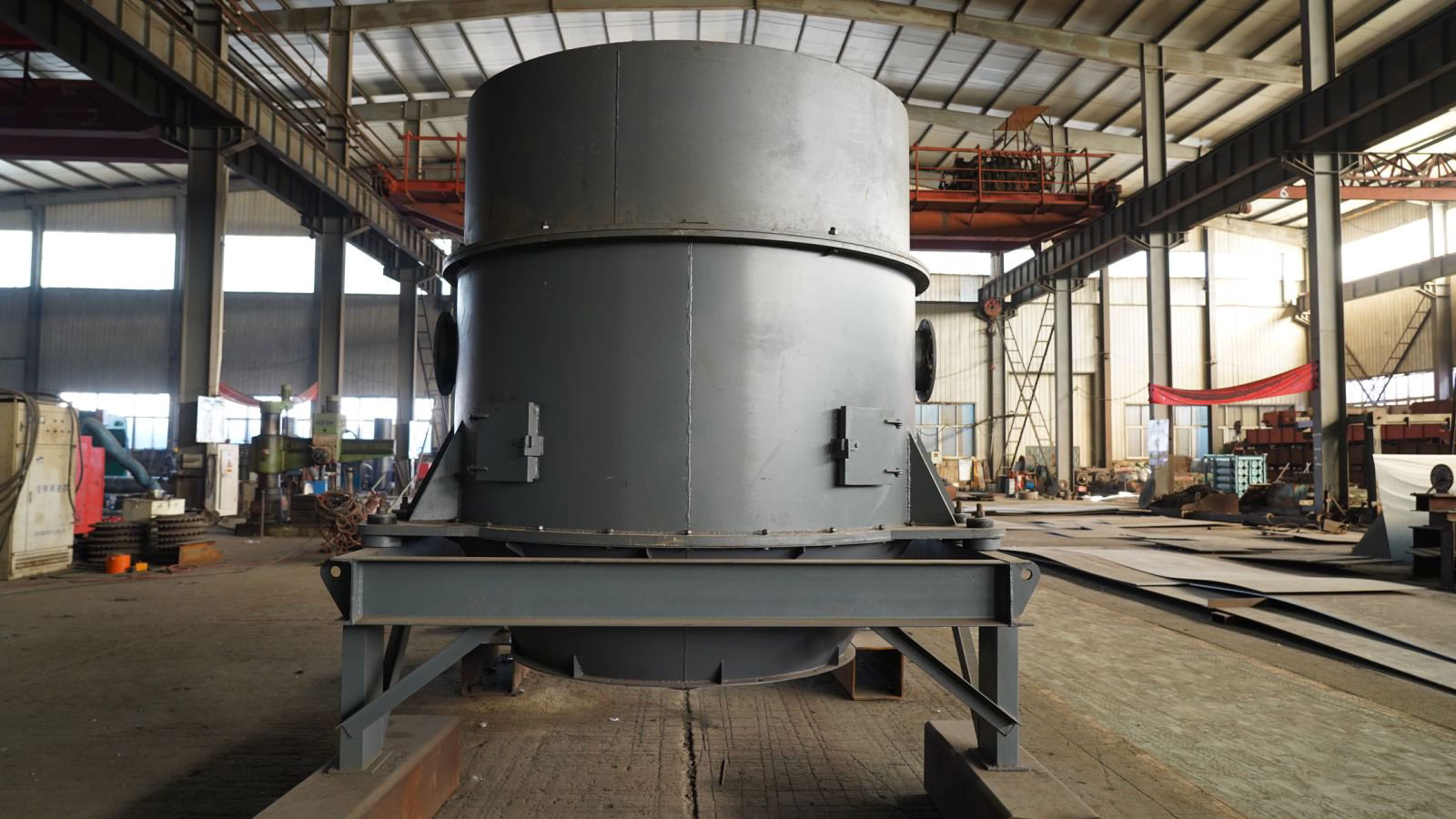
Several factors influence the effectiveness and reliability of energy-saving centrifugal dehydrators:
Material Characteristics: The moisture content, size, and consistency of the material being processed can affect the dehydrator's efficiency. Materials with high moisture content may require longer drying times or higher centrifugal forces to achieve the desired moisture removal.
Rotational Speed: The speed of the rotating drum is a critical factor. Higher speeds typically result in faster moisture removal, but they may also increase wear on the components and lead to higher energy usage if not properly optimized.
Energy Recovery Systems: The ability to recover and reuse energy during the drying process is a key factor in reducing overall energy consumption. Systems that incorporate regenerative technologies can minimize waste and improve overall efficiency.
Temperature Control: In some cases, temperature control is integrated into the drying process to prevent overheating, which could damage sensitive materials. Balancing temperature and centrifugal force is crucial for optimizing the drying process.
Selecting the right supplier for energy-saving centrifugal dehydrators involves careful consideration of several factors:
Technology and Innovation: Suppliers that provide the latest advancements in energy efficiency and automation technologies offer a significant advantage in reducing operational costs.
Customization: Since every industry has unique requirements, selecting a vendor who can customize the dehydrator to fit specific operational needs is essential.
Reliability and Reputation: Proven reliability and a strong customer support system are crucial for maintaining uptime and ensuring that any issues are promptly addressed.
Energy Performance Data: Vendors should provide clear data on the energy consumption and efficiency of their systems, ideally with case studies or testimonials from similar large-scale operations.
After-Sales Support: Comprehensive support for installation, maintenance, and troubleshooting is critical to keeping the system running efficiently over time.
While centrifugal dehydrators offer numerous benefits, they are not without their challenges:
Initial Investment: Energy-saving centrifugal dehydrators often come with a higher upfront cost due to their advanced features and materials. However, the long-term savings in energy costs can justify this investment.
Maintenance Requirements: Like any mechanical system, centrifugal dehydrators require regular maintenance to keep them operating at peak efficiency. Routine checks and part replacements can increase operational costs.
Adaptability: Some materials may require modifications or custom settings to ensure optimal drying, making it essential to choose a dehydrator that can handle a wide range of materials.
Centrifugal dehydrators are widely used across several industries, including:
In food processing, dehydrators are used to remove moisture from ingredients like fruits, vegetables, and meats to preserve them without compromising texture or flavor.
In the pharmaceutical industry, dehydrators are used to dry active ingredients in drug manufacturing, ensuring that moisture content is controlled for consistency and shelf life.
In chemical manufacturing, centrifugal dehydrators are used to remove moisture from powders, resins, and other materials, ensuring uniformity in production.
As industries continue to prioritize sustainability and cost-effectiveness, energy-saving centrifugal dehydrators are evolving to meet these demands. Future developments include:
Further Energy Efficiency: Ongoing advancements in energy recovery systems and motor design are expected to further reduce energy consumption.
Integration with IoT: The integration of Internet of Things (IoT) technology will allow for real-time monitoring of system performance, enabling predictive maintenance and data-driven optimization of the drying process.
Sustainability Focus: With growing environmental concerns, manufacturers are working on reducing the environmental impact of centrifugal dehydrators, including minimizing material waste and incorporating recyclable components.
How does a centrifugal dehydrator work?
A centrifugal dehydrator uses high-speed rotation to expel moisture from materials. The force generated by the spinning drum separates liquid from the solid material, which is collected separately.
What types of materials can be processed by centrifugal dehydrators?
Centrifugal dehydrators are versatile and can handle a variety of materials, including food products, chemicals, pharmaceuticals, and minerals.
How can energy consumption be minimized in centrifugal dehydration?
Energy consumption can be minimized by using energy-efficient motors, optimizing rotational speeds, and incorporating energy recovery systems into the dehydrator.
In conclusion, the Energy-Saving Centrifugal Dehydrator for Large-Scale Operations offers significant advantages in improving the efficiency of moisture removal processes across various industries. By utilizing advanced centrifugal force technology and focusing on energy efficiency, these dehydrators enable large-scale operations to reduce energy costs, improve product quality, and enhance overall process efficiency. As the demand for sustainable and cost-effective processing equipment grows, the future of centrifugal dehydrators looks promising, with ongoing technological advancements expected to further optimize performance and reduce environmental impact.
Tel : +86-315-5282855
E-mail : jinzexuanmeijixie@gmail.com
Address : 1.6 km south of Xinjichang Road,
Tangshan City, Hebei Province, China

Copyright © 2017.Company name All rights reserved.More Templates


Trang web này sử dụng cookie để đảm bảo bạn có được trải nghiệm tốt nhất trên trang web của chúng tôi.

 English
 Español
 Pусский
 Монгол



 Whatsapp
 Điện thoại