

Consistent and controlled material feeding is essential in mining and mineral processing industries. Fluctuating feed rates, abrasive ores, and high-volume demands can compromise downstream processing efficiency and equipment longevity. Conventional feeding solutions often encounter challenges such as uneven material flow, frequent maintenance, and process interruptions. The Advanced Reciprocating Feeder for Mining and Mineral Processing addresses these issues by delivering precise, uniform material flow while withstanding demanding industrial conditions, ensuring continuous operation and improved processing outcomes.
Mining and mineral processing operations increasingly rely on high-capacity, reliable equipment to maintain efficiency and product quality. Ore handling, crushing, and screening processes require feeders capable of accommodating varying particle sizes, densities, and moisture content. Heavy-duty operations demand equipment that can operate continuously under abrasive conditions without frequent maintenance or performance degradation. The Advanced Reciprocating Feeder for Mining and Mineral Processing is engineered to meet these requirements, providing high throughput and dependable operation for large-scale industrial facilities.
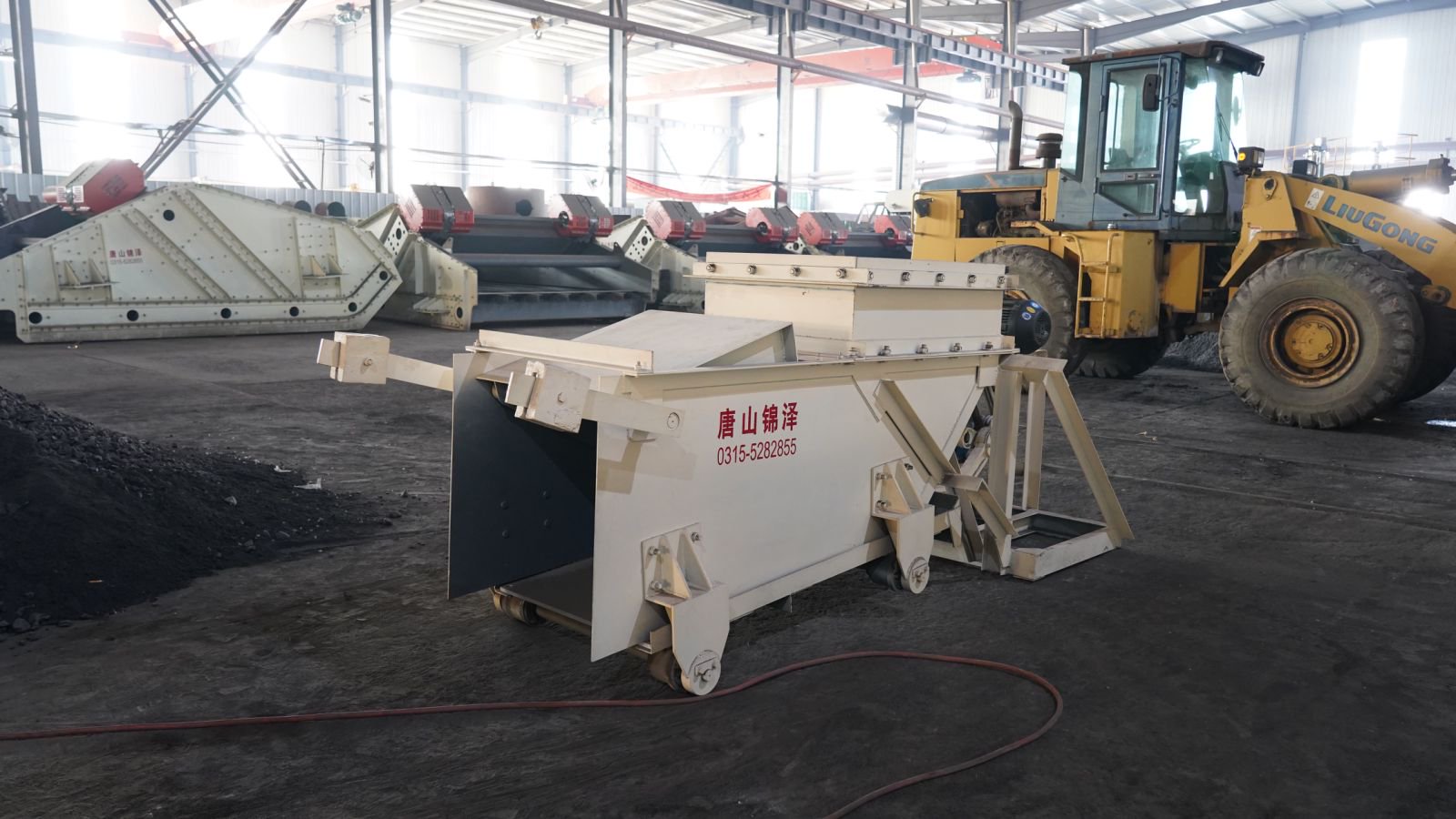
Reciprocating feeders operate using linear motion to transport bulk materials from hoppers or storage bins to conveyors, crushers, or screening units. The reciprocating action ensures a uniform, controlled feed rate, reducing surges and preventing material segregation. Adjustable stroke lengths and speeds allow operators to optimize feeding performance for different materials and process requirements. The feeder’s design minimizes vibration and mechanical stress, which not only extends service life but also maintains consistent material distribution for downstream processes.
Durability is a key factor in heavy-duty material handling. The Advanced Reciprocating Feeder for Mining and Mineral Processing features a robust steel frame, reinforced wear plates, and abrasion-resistant components designed for continuous operation under challenging conditions. Precision-engineered shafts, drives, and bearings ensure smooth motion and minimal downtime. The modular design facilitates quick replacement of wear-prone parts, reducing maintenance time and improving operational efficiency. By combining high-strength materials with meticulous engineering, the feeder achieves stable, energy-efficient performance across extended operational periods.
Several factors influence the feeder’s efficiency and reliability:
Material Characteristics: Particle size, density, and abrasiveness impact wear rates and flow consistency.
Stroke and Speed Settings: Proper adjustment is essential for uniform material distribution and avoiding overloading.
Load Management: Monitoring feed rates and hopper levels prevents surges or blockages.
Maintenance Practices: Routine inspection, lubrication, and timely replacement of components sustain optimal performance.
Proper management of these variables ensures consistent feed rates, reduced maintenance costs, and extended equipment life.
Selecting a reliable supplier is crucial for long-term performance. Key considerations include:
Technical Expertise: Suppliers with mining and mineral processing experience can recommend optimal configurations.
Manufacturing Standards: Compliance with ISO or equivalent standards ensures durability and operational consistency.
Support and Service: Availability of installation guidance, spare parts, and technical assistance minimizes downtime.
Proven Performance: References and case studies validate equipment reliability under heavy-duty conditions.
A trustworthy supplier ensures that the feeder consistently meets operational expectations.
Heavy-duty feeding operations can face accelerated wear due to abrasive ores, uneven material flow, and performance variability under fluctuating loads. Mechanical issues such as misalignment, bearing wear, or drive failure may lead to unplanned downtime. These challenges are mitigated through the selection of high-strength materials, precision engineering, and routine preventive maintenance, which together ensure reliable, long-term operation.
The Advanced Reciprocating Feeder for Mining and Mineral Processing is widely applied in ore handling, ensuring consistent feed to crushers, mills, and screening equipment. In aggregate processing, it delivers uniform material flow to conveyors and screening systems, reducing bottlenecks and enhancing process efficiency. Chemical and mineral processing plants utilize the feeder for controlled delivery of powders and granules, improving product quality and consistency. Its capability for high-capacity, continuous operation makes it suitable for diverse industrial applications requiring robust and reliable feeding solutions.
Industrial trends emphasize automation, predictive maintenance, and energy efficiency. Modern reciprocating feeders are increasingly integrated with sensors and control systems that monitor stroke, speed, and material flow, enabling real-time adjustments. Advances in wear-resistant alloys and modular component designs reduce maintenance frequency and operational costs. As mining and mineral processing operations demand higher throughput, precision feeding, and sustainable energy use, the Advanced Reciprocating Feeder for Mining and Mineral Processing continues to be a vital solution for modern heavy-duty facilities.
Q: What types of materials can this feeder handle?
A: It is suitable for ores, powders, granules, and abrasive materials with varying particle sizes and densities.
Q: How does it minimize maintenance needs?
A: High-strength materials, modular wear components, and precision engineering reduce wear and facilitate quick replacements.
Q: Can it operate continuously under heavy loads?
A: Yes, it is designed for stable, long-term operation in heavy-duty industrial environments.
Tel : +86-315-5282855
E-mail : jinzexuanmeijixie@gmail.com
Address : 1.6 km south of Xinjichang Road,
Tangshan City, Hebei Province, China

Copyright © 2017.Company name All rights reserved.More Templates


Trang web này sử dụng cookie để đảm bảo bạn có được trải nghiệm tốt nhất trên trang web của chúng tôi.

 English
 Español
 Pусский
 Монгол



 Whatsapp
 Điện thoại